News
BRITE Bus Demonstrates the Value of Transit
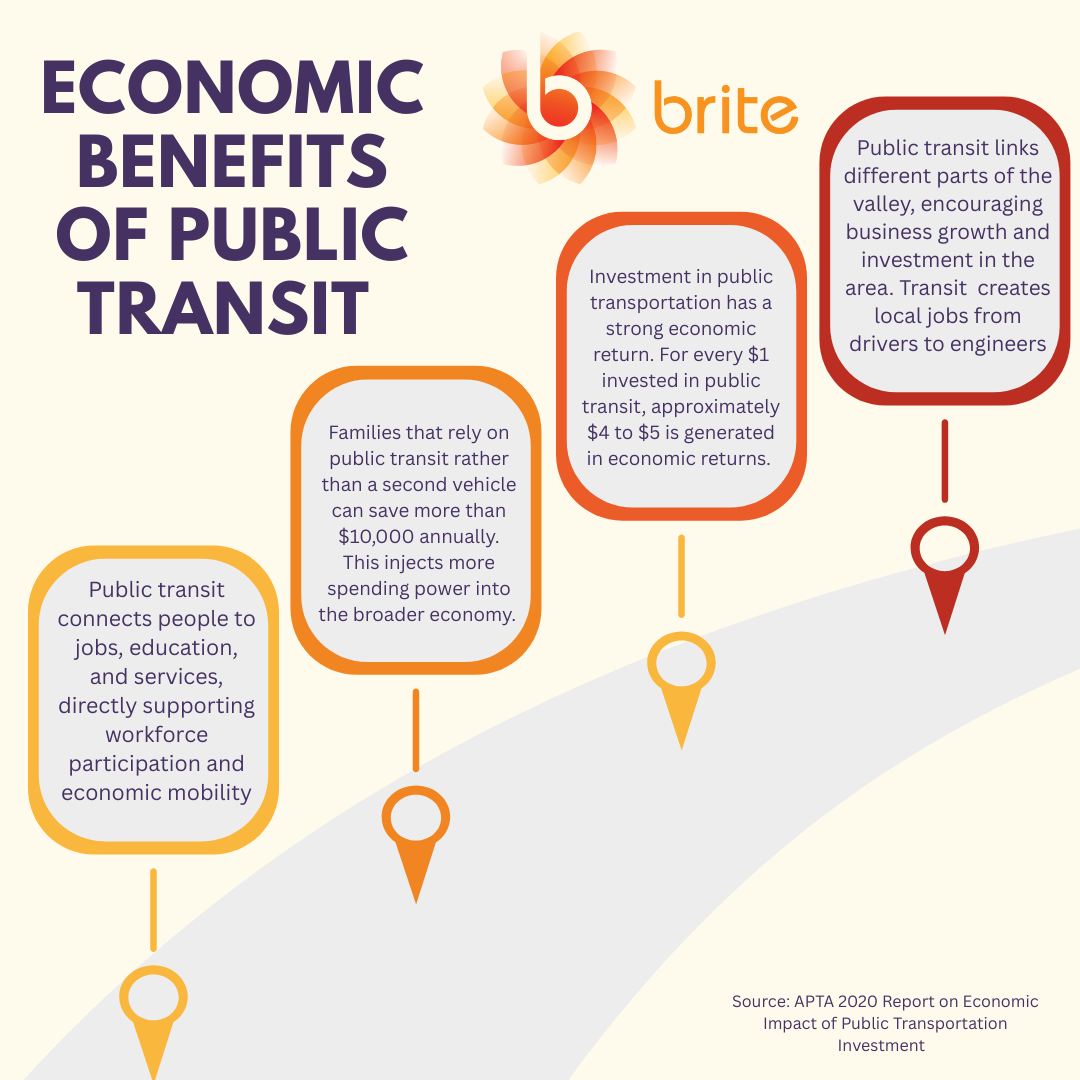
BRITE Transit has debuted a promotional campaign highlighting the vital role that public transit plays in strengthening communities across the Central Shenandoah region. Through a variety of outreach efforts including social media and videography content, this initiative spotlights the ways public transit contributes to economic growth, social connection, and community resilience in our region.
The campaign began with a series of educational posts across its social media platforms with a clear message: investing in transit is investing in the health, strength, and future of our region.
This campaign is a celebration of the value of public transportation and reinforces the message that transit is an essential service. We hope you all will stay tuned as we share stories and BRITE Faces interviews with our riders, drivers, and partners who help make BRITE and Afton Express the vital services that they are for our community.
To follow along and share in the campaign, find BRITE on social media @britebus
Rocks to Roofs: A Housing Symposium for Tomorrow
Community leaders, developers, policymakers, and housing advocates will soon convene on Tuesday, October 21, from 8:30a.m. to 3:30 p.m. at the Virginia Horse Center in Lexington, VA, to explore the area’s most pressing housing challenges. Through presentations from Virginia Housing, the Virginia Department of Housing and Community Development, and other partners, attendees will explore ways to advance housing opportunities across the Rockbridge area.
The Central Shenandoah Planning District Commission (CSPDC) will also share its findings and housing solutions from its Regional Housing Study. In February, the CSPDC released its Regional Housing Study, funded by Virginia Housing and developed in partnership with Virginia Tech’s Center for Housing Research and HousingForward Virginia. The study offers an in-depth analysis of housing markets across the Central Shenandoah region and presents locally tailored strategies to address housing needs.
Rockbridge-area solutions featured in the study include:
- Empowering Economic Development Authorities to support housing development
- Expanding incentives for residential construction and rehabilitation
- Laying the groundwork for high-quality mixed-use development
Rocks to Roofs: A Housing Symposium for Tomorrow is a collaboration between Virginia Housing, Rockbridge County, Cities of Buena Vista and Lexington, Rockbridge Highlands Realtors Association, Central Shenandoah Planning District, and The Chamber of Commerce, Serving Lexington, Buena Vista, and Rockbridge County. The official speaker lineup will be announced soon.
To learn more or register:
🔗 Rocks to Roofs: A Housing Symposium for Tomorrow
To explore additional materials related to the Regional Housing Study, visit our CSPDC Connects page.
CSPDC Undertakes Strategic Agency Assessment
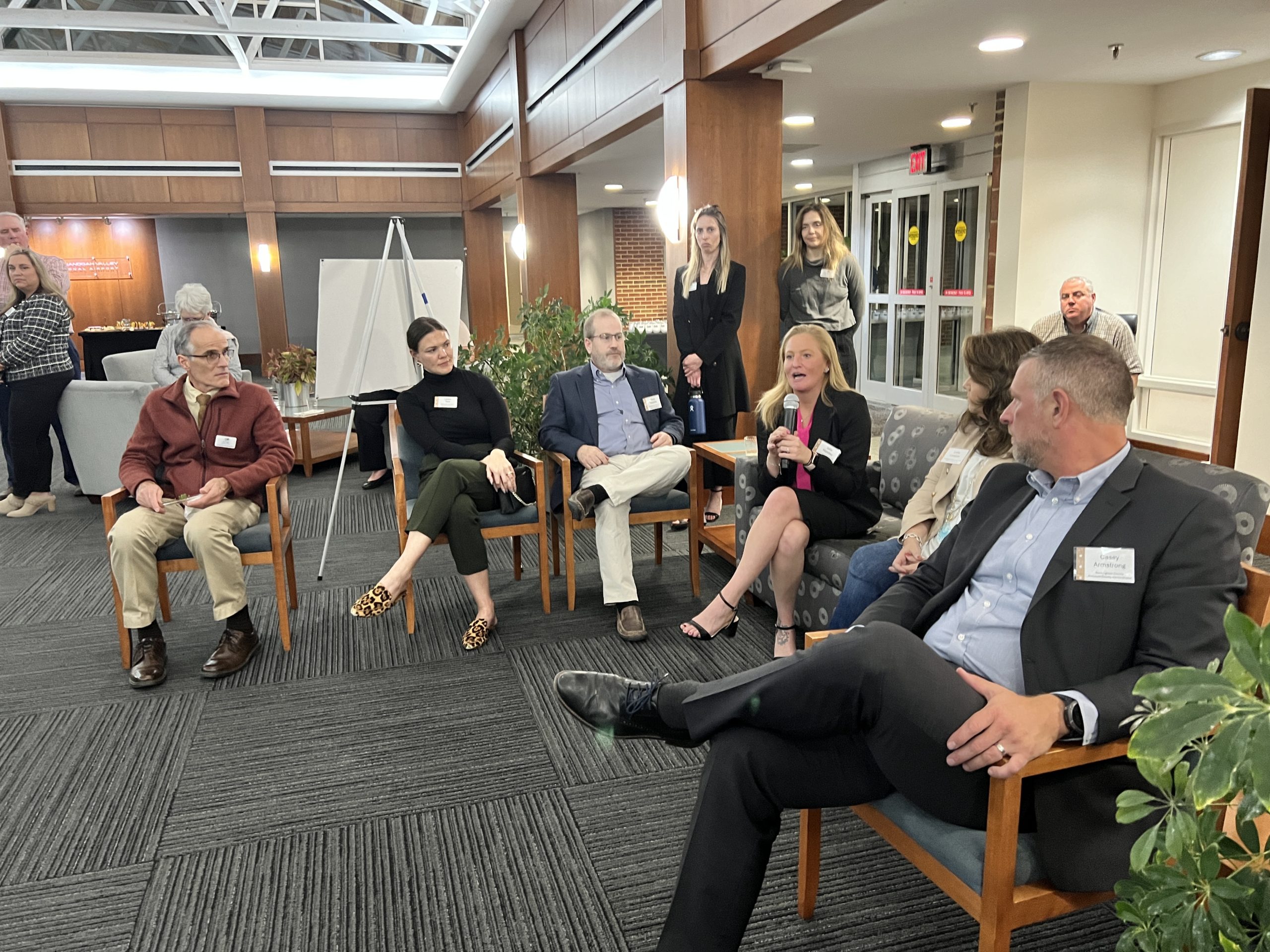
In early 2025, CSPDC engaged the Southeastern Executive Research Institute (SERDI) to conduct an assessment of the agency. Through surveys and in-person focus groups, SERDI staff engaged with the Commission, local government managers, planners, and CSPDC staff to understand what’s working well, and how the agency can best serve its member localities.
SERDI executive director Jim Youngquist will present draft recommendations from the assessment to the Commission at the October 20th meeting, and then finalize the report. The surveys and focus group discussions were generally positive about the value that the CSPDC provides to localities and the ways in which we strengthen the region. It also recognized the need to expand awareness and understanding of our mission to all local elected officials and explore opportunities to provide new services to our localities such as enterprise GIS data management and mapping and water resources and stormwater management expertise.
VDOT Completes Phase 2 of Shenandoah Valley Rail with Trail Assessment
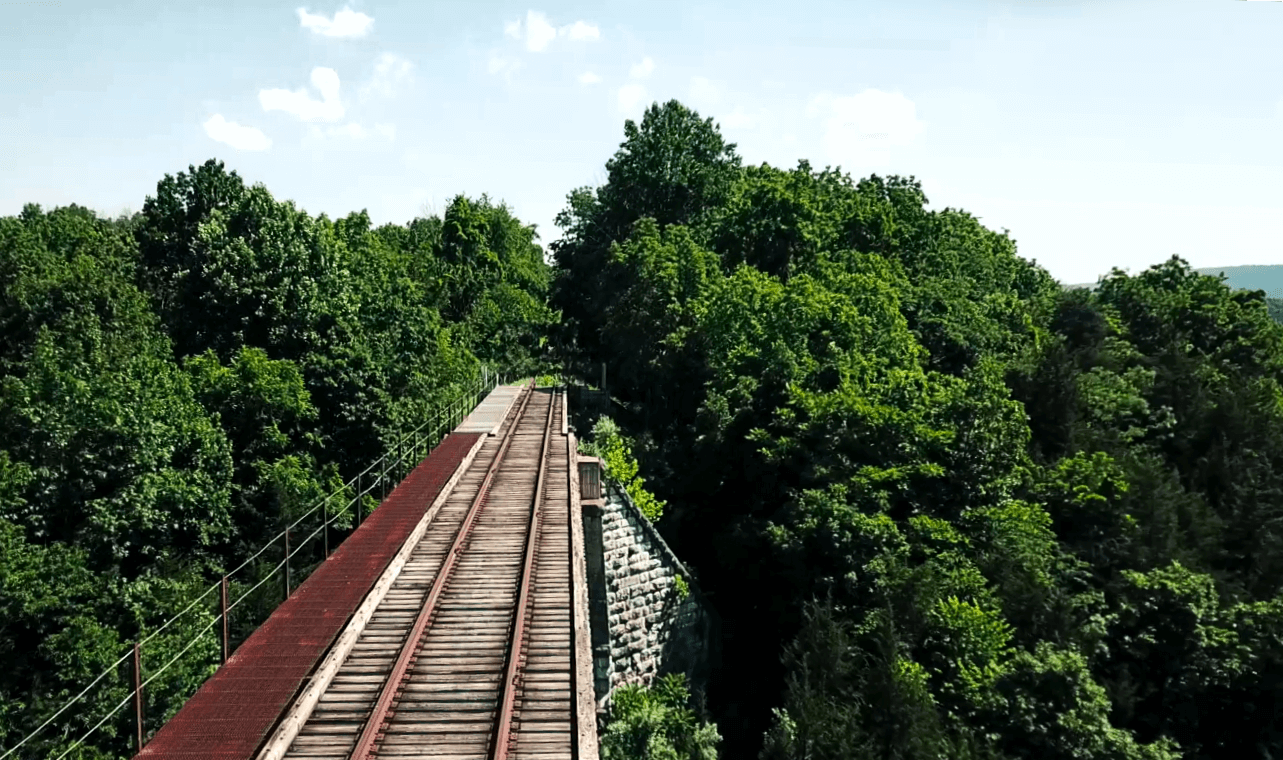
The Virginia Department of Transportation (VDOT) has published its Phase 2 report for the Shenandoah Valley Rail with Trail Assessment. The report evaluates track and structure conditions in relation to requirements for the feasibility of future rail operations along the 49-mile stretch of the Norfolk Southern-owned corridor between Broadway and Front Royal.
The Phase 2 report, released in September 2025, includes five appendices: environmental desktop review, drainage and stormwater management, track rehabilitation, bridge load ratings, and public input from spring 2025 meetings in Timberville, Front Royal, and Woodstock. The assessment compares the engineering requirements and costs of restoring rail service with an adjacent trail to the previously studied rail-to-trail conversion. VDOT is conducting this as a fact-finding effort to assist the Commonwealth in determining next steps for the $35 million allocated for the corridor by the General Assembly through the 2020-2022 budget.
The final phase, Phase 3, will include cost estimates and documentation of assessment outcomes. VDOT expects to release the Phase 3 report this fall, followed by public engagement with in-person meetings and an online survey.
For more information and to view the Phase 2 report, visit the VDOT’s project page here: https://www.vdot.virginia.gov/projects/staunton-district/rockingham-shenandoah-and-warren-counties—shenandoah-valley-rail-with-trail-assessment/
VDOT I-81 Public Input Meeting at Blue Ridge Community College on October 29
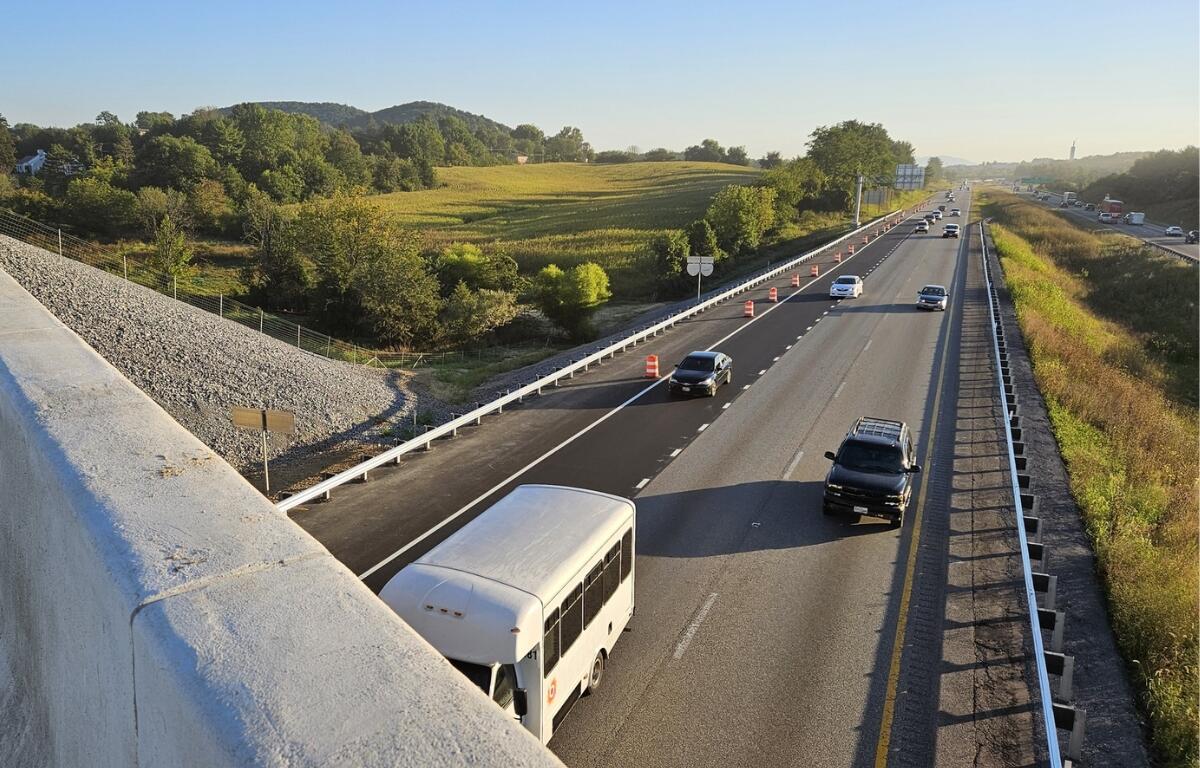
VDOT is holding a public meeting at Blue Ridge Community College Plecker Center on October 29 from 5:00 to 7:00 p.m. to review the final prioritized list of recommended projects in the new I-81 Corridor Improvement Program (CIP). The meeting is an opportunity to learn more about the CIP process, the proposed projects identified for funding along the I-81 corridor in our region, and to provide comment on the draft prioritized project list. The current CIP builds on the 2018 CIP, which identified 65 construction projects worth approximately $3 billion that are now completed or in development.
In our region, the new CIP recommendations include over 70 lane miles of 3-lane widening along I-81 in both directions between Staunton and Harrisonburg to compliment the current and planned widening projects. After the public input review, the Commonwealth Transportation Board will finalize project selections in December. Additional information and meeting details are available at improve81.org.
Event Details:
Date: Wednesday, October 29, 2025
Time: 5:00 – 7:00 p.m.
Location: Blue Ridge Community College, Robert E. Plecker Workforce Center, One College Lane, Weyers Cave, VA 24486