Recent Flood Mitigation Initiatives in the Region

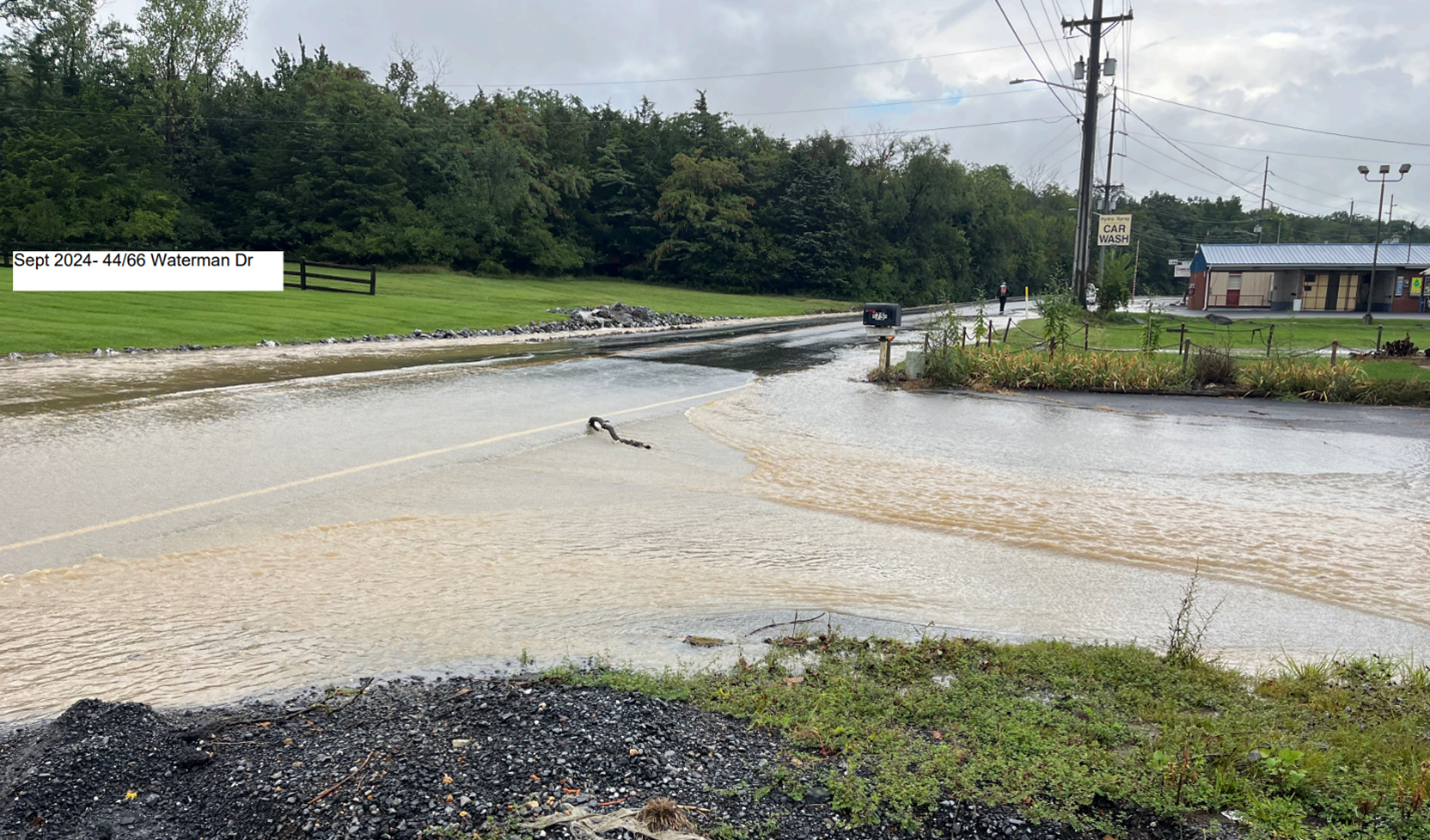
Image of a flooded road

July proved to be a busy month for regional flood preparedness efforts, with $652,160 awarded in state funding to regional partners and multiple applications submitted for post-disaster federal funding.

On July 2nd, the Department of Conservation and Recreation (DCR) announced Round 5 awards for the Community Flood Preparedness Fund (CFPF), with three coming to our region:

  • CSPDC received $270,000 to develop a Regional Flood Resilience Plan, with nearly all of our localities participating. This plan will identify and prioritize flood mitigation projects for implementation, ultimately streamlining future grant applications and unlocking additional funding opportunities.
  • City of Waynesboro received $172,160 to update its Stormwater Capital Improvement Plan, building on previous drainage studies to identify and prioritize site-specific stormwater management projects. The plan will also support the city’s Chesapeake Bay water quality requirements.
  • Town of Craigsville received $210,000 to develop a local resilience plan. Through this planning process, the town will gain a more detailed and technical study of flood occurrences and a list of future projects to reduce the impact of flooding.

Several localities in the region have also submitted applications for FEMA’s Hazard Mitigation Grant Program (HMGP) following Hurricane Helene, including:

  • Bath and Highland Counties applied for funds to install a joint enhanced flood monitoring system with 14 real-time stream gauges connecting to West Virginia’s flood warning network, benefiting both local communities and neighboring areas.
  • City of Harrisonburg proposed major upgrades to stormwater infrastructure along the Chicago Avenue and Waterman Drive corridor to address chronic flooding, building damage, and safety hazards for motorists and pedestrians.

Note: Round 6 of the Community Flood Preparedness Fund is expected to open this fall.

Regional Hazard Mitigation Plan Achieves Milestone

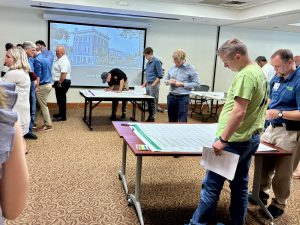
On August 8th, the CSPDC’s Community and Economic Development team achieved a major milestone by hosting the final steering committee meeting for the new Regional Hazard Mitigation Plan. Nearly 40 representatives from local governments, regional organizations, and state agencies gathered at Augusta Community Care to collaborate on this critical planning initiative.

The steering committee finalized a set of regional goals and strategies that will guide the region’s hazard mitigation efforts over the next five years. The goals focus on six community themes:

  • Economic Resilience
  • Housing and Neighborhood Protection
  • Environmental Stewardship
  • Public Infrastructure Hardening
  • Public Health and Safety Enhancement
  • Regional Collaboration and Innovation

The Plan’s Threat and Hazard Identification and Risk Assessment (THIRA), which evaluates the region’s vulnerability to specific natural hazards and man-made threats, informed the steering committee’s discussion. Among the 12 hazards and threats analyzed, flooding, wildfires, severe winter weather, and hazardous materials release had “high” risk ratings. Additionally, the region faces unique challenges to bolstering its infrastructure, given its karst landscape and communication restrictions under the National Radio Quiet Zone (NRQZ).

This fall, the CSPDC will incorporate the committee’s input and work with localities to identify specific projects that will boost community resilience. Once approved by the Virginia Department of Emergency Management (VDEM) and the Federal Emergency Management Agency (FEMA), these projects will become eligible for federal grant funding.

Watch  CSPDC Connects  for a draft plan and opportunities to provide comment and input later this fall.

Building Resilience One Community at a Time: CSPDC’s Comprehensive Hazard Mitigation Approach

Throughout May and June, the CSPDC Community Development Team of Jeremy Crute, Rachel Kinzer, Elizabeth Goodloe and Philippe Bone, embarked on a region-wide listening tour, sitting down face-to-face with representatives from all 21 member localities to discuss their communities’ experiences with natural disasters and explore tailored solutions. These strategic planning meetings represent a cornerstone of the Central Shenandoah Hazard Mitigation Plan (CSHMP) development process—but they’re also something more: an opportunity to understand each community’s unique story.

From the mountain communities of Bath and Highland counties to the valley towns along major corridors, the team discovered that no two localities face identical challenges. Some communities grapple with recurring flood patterns along historic creek beds, while others contend with winter weather impacts on remote mountain roads. Each conversation revealed local knowledge that can’t be captured in data alone, such as which neighborhoods have elderly residents who might need additional support during power outages, or which local businesses serve as community gathering points during emergencies.

This ground-up approach to hazard mitigation planning goes beyond simply identifying risks by meeting with each locality individually to develop actionable mitigation strategies that reflect real-world conditions and community priorities. The goal is to emphasize proactive community protection and identify vulnerabilities so solutions can be implemented that make communities more resilient. The conversations happening now will shape how our region weathers future challenges—literally and figuratively—creating a plan that strengthens the fabric of regional preparedness.

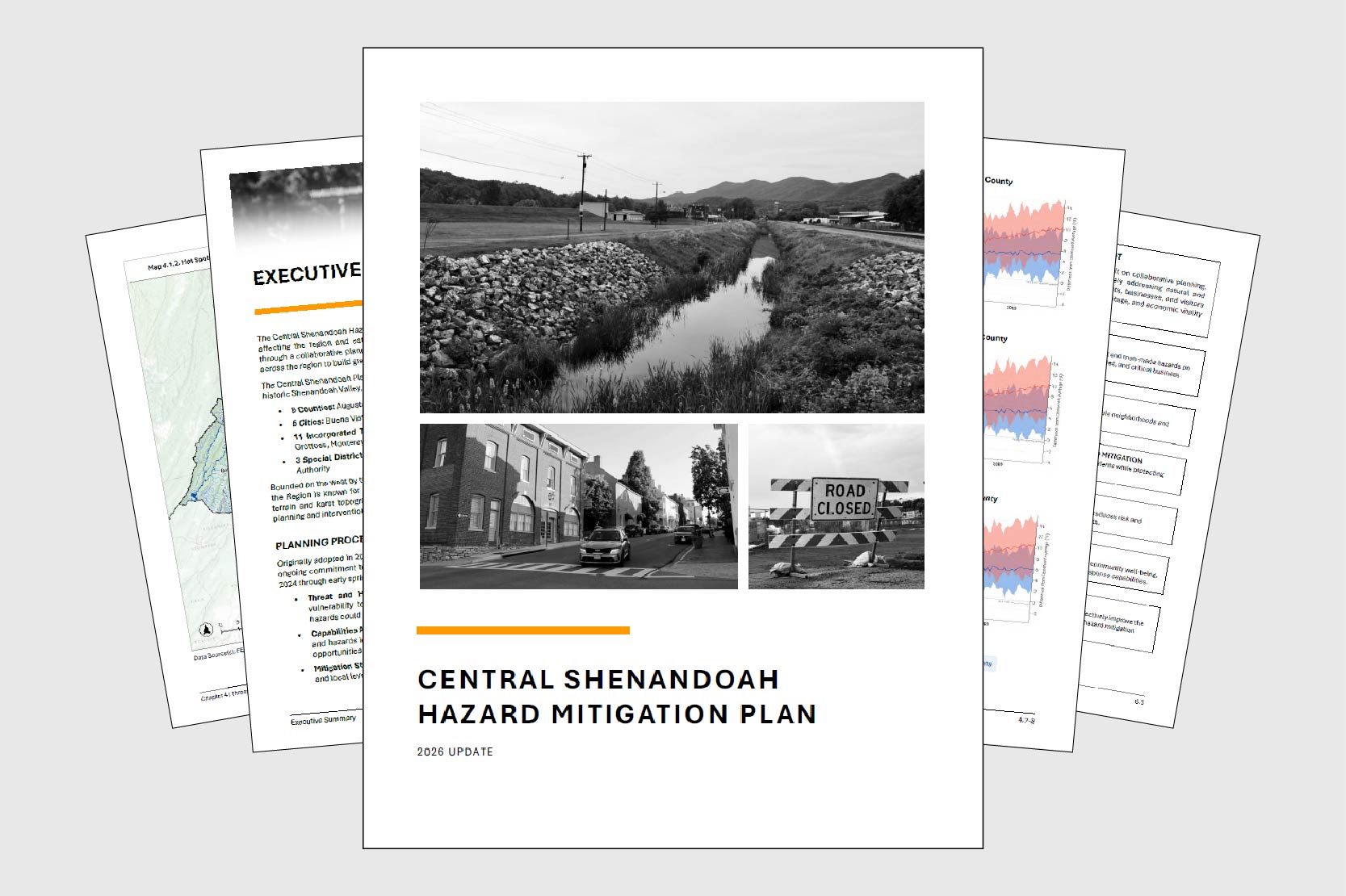
The completed Central Shenandoah Hazard Mitigation Plan is expected to be adopted in early 2026. Once approved by FEMA, it will ensure all member localities remain eligible for federal disaster assistance while providing a roadmap for long-term community resilience.