 GO Virginia’s Region 8 Council convened for their regular session at the Aviation Technology Park’s newest hangar located within Shenandoah Valley Regional Airport. The Council met in one of two recently constructed 14,000 square foot corporate aircraft hangars, funded with support from USDA Rural Development and the U.S. Department of Commerce’s Economic Development Administration.
At the meeting, the Region 8 Council approved funding for the Shenandoah Valley Workforce Development Board’s Talent Pathways Initiative Project Proposal. This initiative focuses on analyzing the region’s manufacturing, transportation, and logistics industries, with the aim of identifying labor demands and opportunities for training and workforce development. The council also approved a planning grant for a workforce study for the Winchester Regional Airport. Both applications will be considered by the State GO Virginia Board at their next meeting.
Additionally, the Council announced significant changes to the administration of GO Virginia grants. Going forward, applicants for grants must now only provide a 2:1 match, a shift from the previous requirement of a 1:1 match. Moreover, the maximum award for planning grants has increased from the $250,000 cap to 25% of the total project cost. Lastly, recognizing that a shortage of healthcare services was impeding regional growth, previously ineligible healthcare projects are now eligible for GO Virginia funding if they address demonstrated needs for healthcare workers and services.
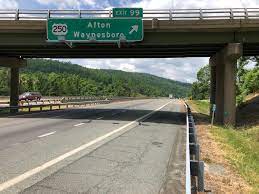 The Staunton-Augusta-Waynesboro Metropolitan Planning Organization (SAWMPO) is completing a transportation site assessment at the Afton Mountain property located at the crossroads of I-64 and Rt. 250. The assessment is part of a larger, comprehensive site study being conducted by Augusta County.
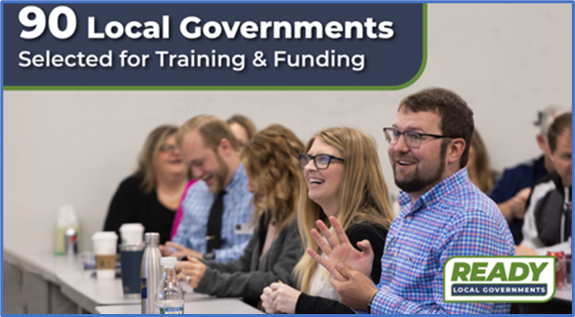
 The Virginia Transit Association (VTA) is hosting their Annual Conference and Bus Expo on May 22-23, 2024 at the Hotel Madison & Shenandoah Valley Conference Center Harrisonburg, Virginia. Industry leaders, policymakers, and innovators from across the state converge at the annual conference to explore the future of transit. From cutting-edge technology to sustainable solutions, this event promotes insightful discussions, networking opportunities, and actionable strategies to advance public transportation across the Commonwealth. Additionally, at the end of the conference there will be a graduation ceremony for the first cohort of Virginia Transit Leadership Institute (VTLI).
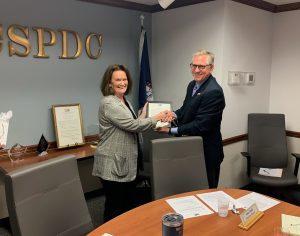 Rita Whitfield, Office Manager of the Central Shenandoah Planning District Commission, retired after more than 46 years and was recognized for her outstanding and meritorious service at the Commission meeting on April 15, 2024.
 The Central Shenandoah Planning District Commission has selected Ann Cundy to serve as the new Executive Director of the CSPDC. Ann has served the CSPDC for over 11 years, most recently as the Director of Transportation where she managed the agency’s transportation and transit programs. Her new position took effect April 1. She follows Bonnie Riedesel who retired after working at the CSPDC for 29 years and serving as its Executive Director since 2008.
