Hazard Mitigation Plan Enters Final Review Stage

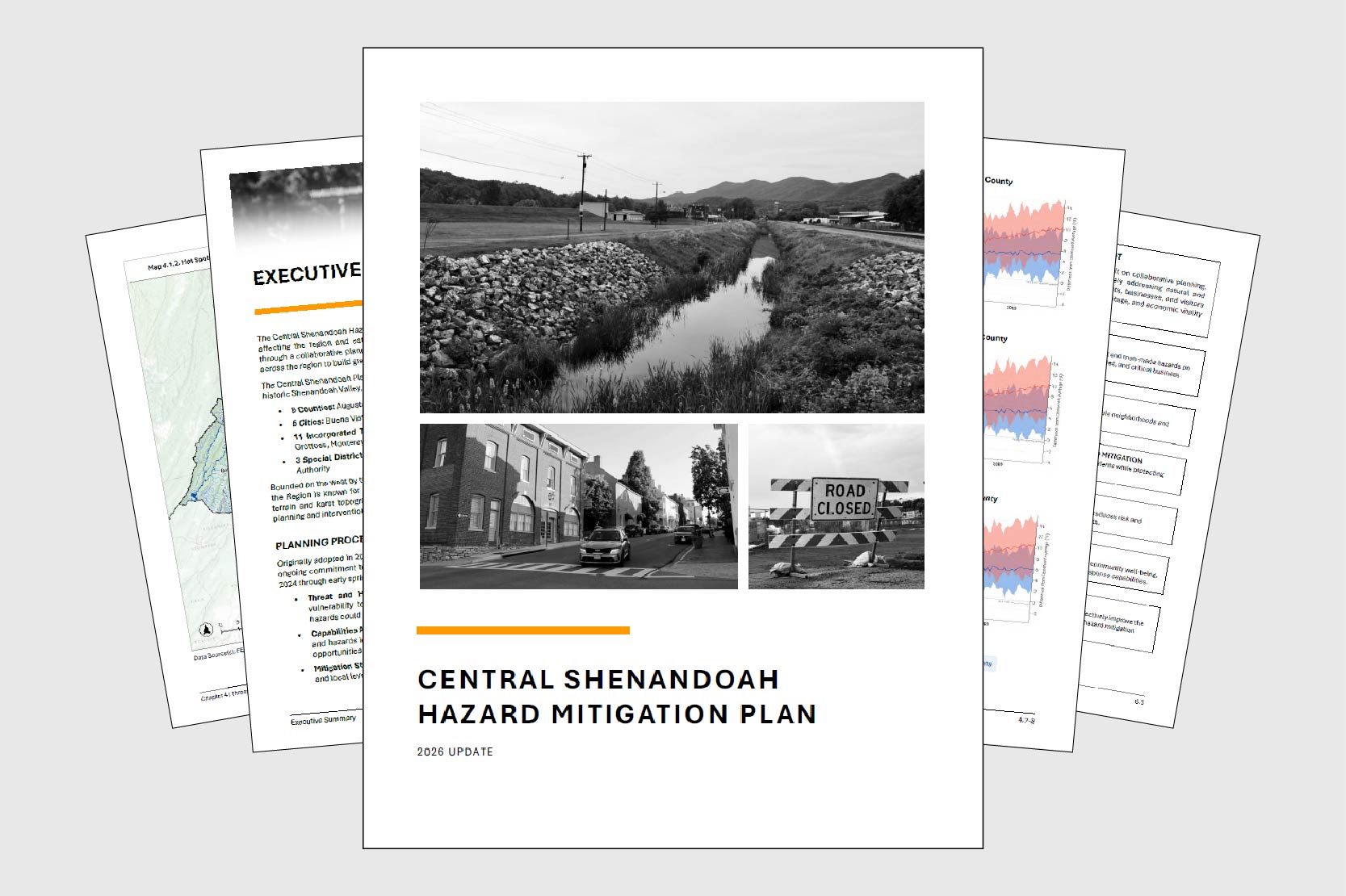
After nearly two years of regional collaboration, the updated Central Shenandoah Hazard Mitigation Plan has entered formal review. In late January, the CSPDC submitted a full draft to the Virginia Department of Emergency Management (VDEM) for review, the first step in a multi-agency approval process expected to take several months. 

Once the state review is complete, the plan advances to the Federal Emergency Management Agency (FEMA), which has up to 45 days to evaluate compliance with federal hazard mitigation planning requirements (44 CFR Part 201). If the plan meets all requirements, FEMA will grant conditional approval pending local adoption. That local adoption step is critical: participating jurisdictions must formally adopt the plan to remain eligible for federal and state grant programs aimed at reducing the impact of disasters. 

This update marks the third full revision of the plan since its original adoption in 2005. The extensive process engaged 5 cities, 5 counties, 11 towns, 3 special districts, roughly 30 agencies and organizations, and community members. Four steering committee meetings, individual consultations with each participating locality, and public surveys drawing input from more than 450 residents shaped the final product. 

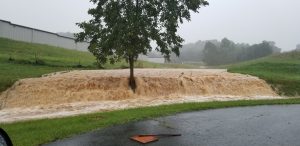
The plan identifies flooding, wildfires, and severe winter weather as the region’s highest natural hazard risks. These risks reflect a combination of historic development patterns along rivers, densely forested ridgelines, and the elevation changes that define the region’s terrain. Among human-caused hazards, hazardous materials incidents rank as a leading concern, reflecting the region’s location along the Interstate 81 corridor and its manufacturing base. The plan also addresses a distinctive regional challenge: maintaining reliable emergency communications within the constraints of the National Radio Quiet Zone and the area’s complex mountain geography. 

To read the draft plan and share feedback, visit https://connect.cspdc.org/hazard-mitigation-plan 
Andy Seabolt Receives Stanley Everett Crigger Humanitarian Award

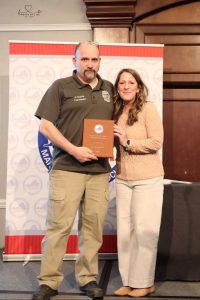
The 2025 Virginia Emergency Management Symposium (VEMS) took place from March 17-20 in Roanoke, VA. During the event, Andy Seabolt, Bath County’s Emergency Services Coordinator, was honored with the Stanley Everett Crigger Humanitarian Award. This award recognizes an emergency management professional who has demonstrated empathy, kindness, and compassion in their work. It is named in memory of Stan Crigger, who exemplified these qualities throughout his career and in his service to both his colleagues and community. We congratulate Andy on this award.

VEMS is an annual event co-sponsored by the Virginia Emergency Management Association (VEMA) and the Virginia Department of Emergency Management (VDEM). It provides a platform for discussing current trends, sharing information about the latest tools and practices in emergency management, and exploring advancements in homeland security. The symposium encourages collaboration among stakeholders from all levels of government, the private sector, public health, and other related fields to protect lives and property from disasters. The next symposium is scheduled for March 16-19, 2026, in Norfolk, VA.

VDEM Leads Hazard Mitigation Grant Program Workshop for the Region

On March 10th, representatives from the Virginia Department of Emergency Management (VDEM) led a Hazard Mitigation Grant Program (HMGP) workshop with local government staff, emergency response managers, floodplain managers, and various regional organizations, gathered to discuss the program, the role of the regional hazard mitigation plan, and eligible projects.

During the meeting, VDEM grant specialists raised awareness of Federal funds awarded to the State related to Hurricane Helene (FEMA-DR-VA-4831). They noted that 15% of these funds could be used for mitigation efforts through the Hazard Mitigation Grant Program (HMGP). Eligible projects include but are not limited to property acquisition and demolition, mitigation reconstruction, infrastructure protection, mitigation planning, and flood control.

While this opportunity is open statewide, priority will be given to declared localities, particularly in Southwest Virginia.