CSPDC and DEQ Host Brownfields and Voluntary Remediation Workshop

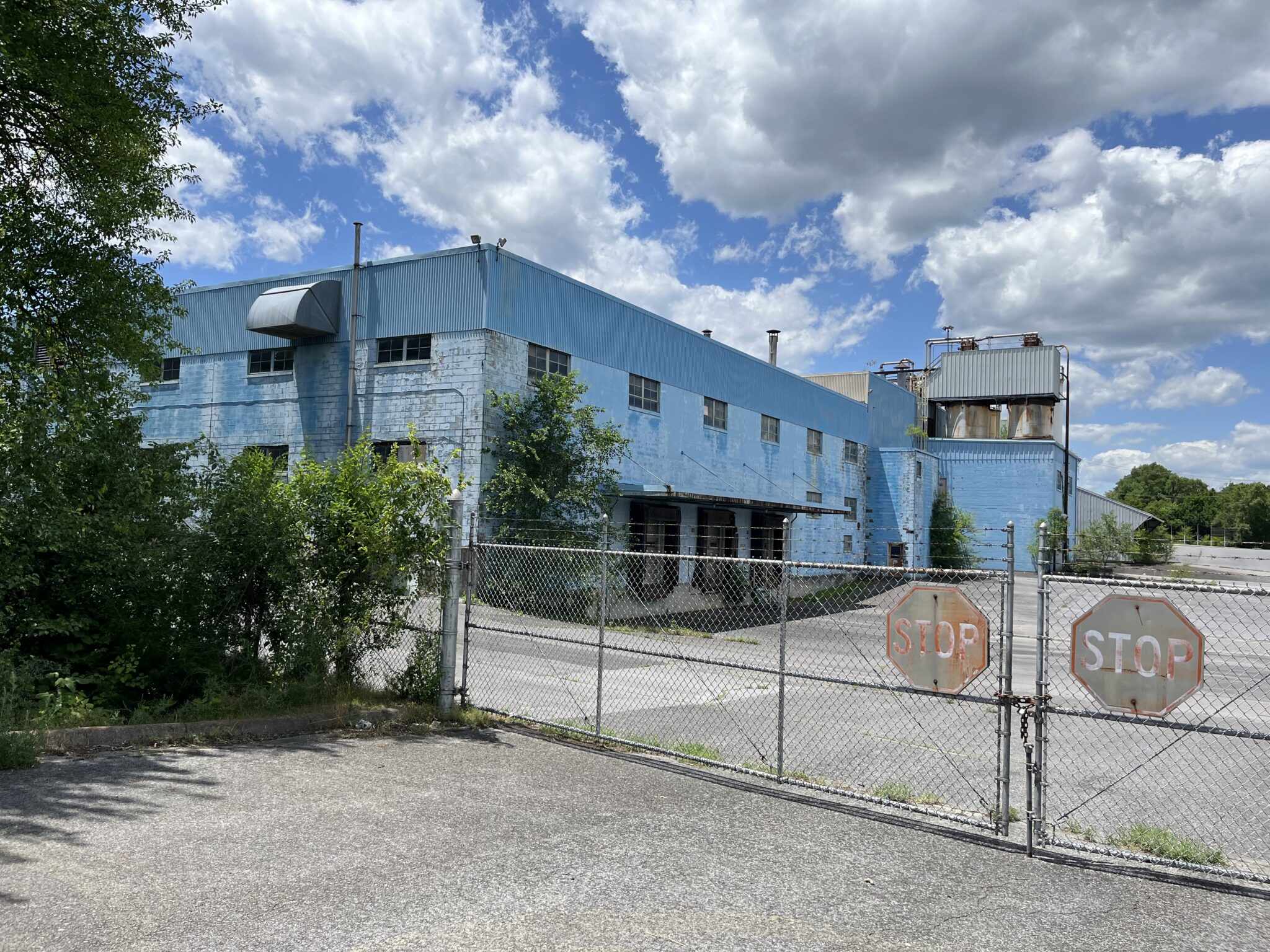
Image of industrial building

The CSPDC and the Virginia Department of Environmental Quality (DEQ) brought together local government staff and developers on December 16, 2025 for a hands-on workshop on brownfields redevelopment, learning about how to transform underutilized properties into community assets.

DEQ’s Voluntary Remediation Program (VRP) and Brownfields team facilitated an interactive session covering environmental assessment, remediation strategies, and reuse planning from individual sites to community-wide initiatives. The team shared real-world success stories and addressed common challenges that communities face when redeveloping contaminated properties.

Attendees learned how to identify brownfield sites, access DEQ technical assistance through VRP, and apply for state and federal funding opportunities including the Virginia Brownfields Assistance Fund.

DEQ is hosting the statewide Virginia Brownfields Conference in Staunton from June 8-10, 2026. CSPDC staff are ready to support localities with brownfields project development. Contact us to learn how we can help advance property reuse projects in your community.
CSPDC Awarded Grant to Fund the Town of Elkton Elk Run Stream Restoration Project

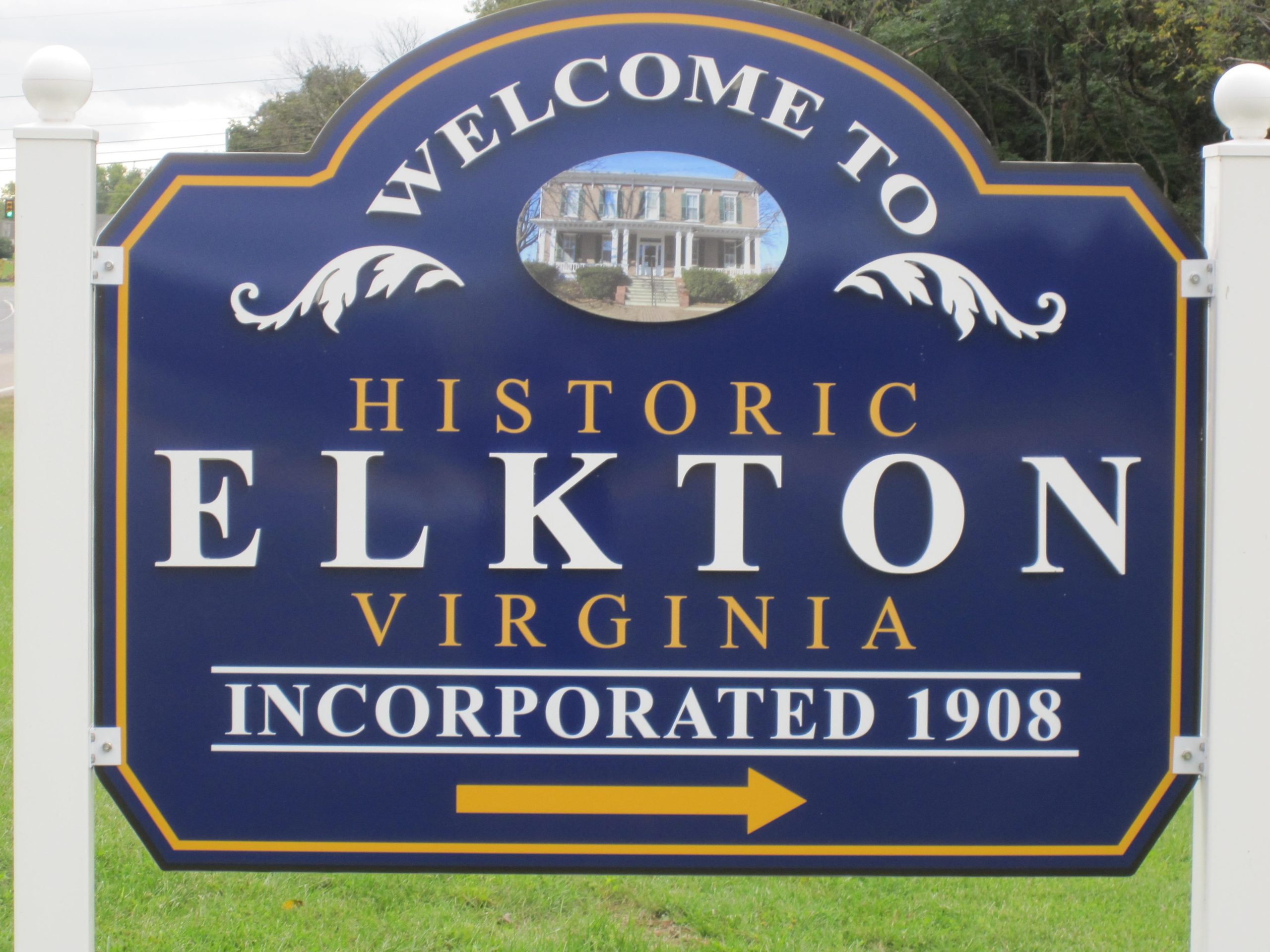
The Department of Environmental Quality (DEQ) awarded the CSPDC a $535,193 grant to fund the engineering and construction of the Town of Elkton Elk Run Stream Restoration Project. The project will improve a 420-foot segment of Elk Run Creek in downtown Elkton and address significant erosion issues along the bank, improve water quality, and enhance town recreation space.

The stream segment is situated between S. Stuart Avenue (US 340), W. Spotswood Trail (US 33 Business), and W. Rockingham Street. The project compliments an existing pocket park adjacent to the stream. The improvements include reshaping the bank, controlling stream grade to establish pools and ripples to support habitat diversity, establishing native trees and vegetation to reduce erosion, and establishing natural path connections for public recreational access to the streambank.

The project will likely begin in late spring 2026. The CSPDC developed the grant application through our Chesapeake Bay Watershed Implementation Plan (WIP) Program, which is funded by DEQ and supports stormwater planning and project implementation in the region.


CSPDC Hosts Regional Urban Karst and Stormwater Workshop

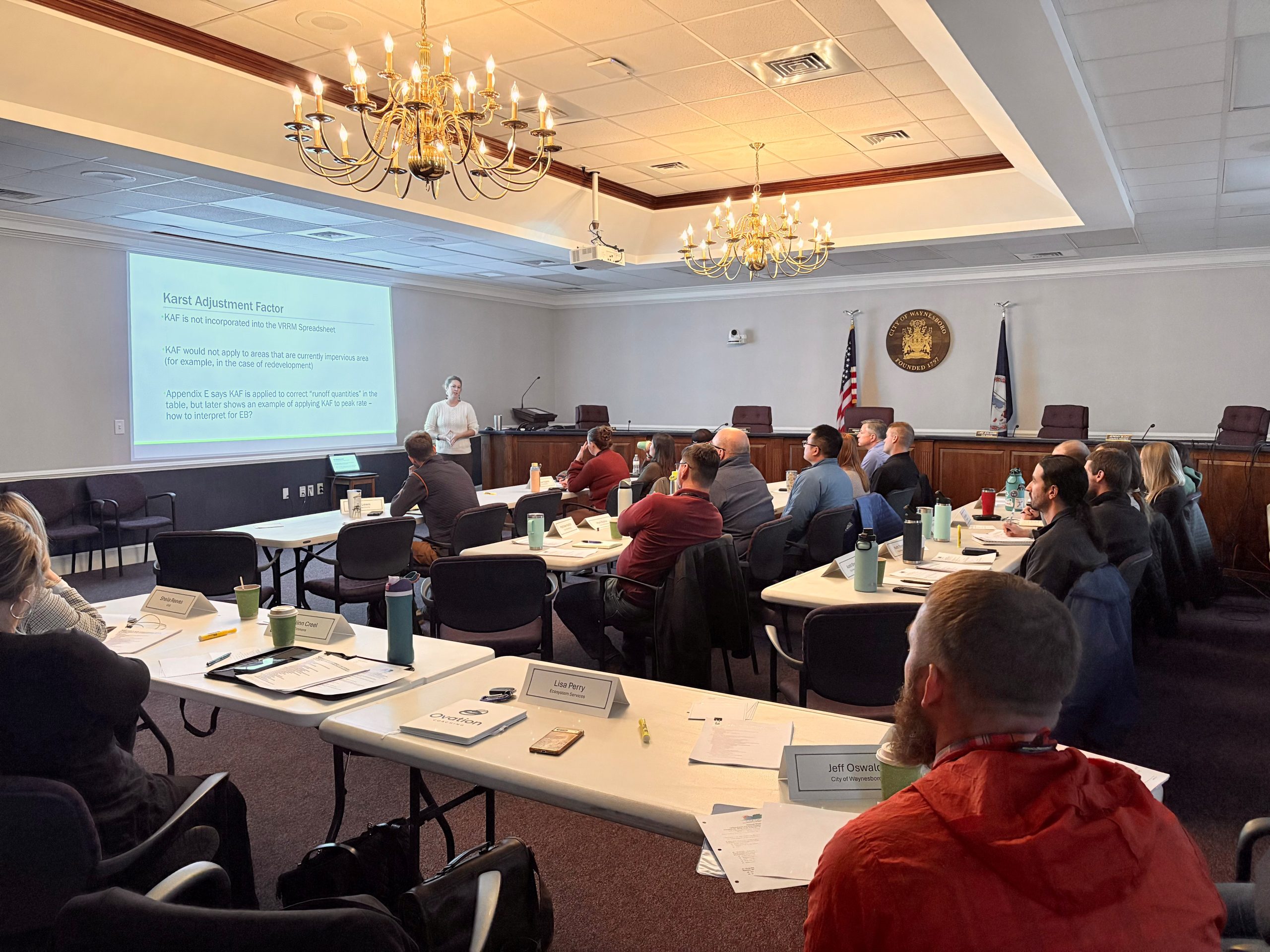
The CSPDC hosted an Urban Karst and Stormwater Workshop on October 28th in Waynesboro City Council Chambers, bringing together approximately 35 stormwater management and public works professionals from across the region. The full-day event explored challenges and best practices for planning and implementing stormwater projects on karst, a geological feature that can complicate conventional approaches.

A primary focus was Appendix E of the Virginia Stormwater Management Handbook, released by the Virginia Department of Environmental Quality (DEQ) earlier this year. Appendix E provides site assessment and design guidelines for stormwater management in karst terrain, helping practitioners navigate the technical complexities these geological conditions present.

The workshop featured four expert speakers with extensive karst and stormwater experience. Wil Orndorff, Karst Protection Coordinator for the Virginia Natural Heritage Program at the Department of Conservation and Recreation, co-authored the draft of Appendix E and provided insights into karst geology throughout the Shenandoah Valley. Lisa Perry, a Mitigation Specialist at Ecosystem Services with prior experience administering erosion control and stormwater management for Rockingham County, shared perspectives on regulatory compliance in karst areas. Sheila Reeves, Water Resources Service Director at VHB, drew on her expertise in stormwater management, watershed planning, and floodplain compliance to discuss project planning strategies for karst sites. Aislinn Creel, Senior Stormwater Project Manager at Timmons Group, joined Reeves to present a case study on Mulberry Run Wetlands, an award-winning constructed wetland in Waynesboro that successfully addressed stormwater management challenges in a karst environment.

The workshop concluded with a site visit to Mulberry Run Wetlands, allowing participants to see firsthand how innovative design can overcome karst-related obstacles while achieving effective stormwater management and ecological benefits.

CSPDC and DEQ Kick Off Regional Water Supply Plans

On April 1, 2025, CSPDC staff, representatives from the Department of Environmental Quality (DEQ), and regional stakeholders gathered to kick-off the Shenandoah River 1 and Upper James River 1 Water Supply Plans. These plans are being developed in accordance with the Local and Regional Water Supply Planning Regulation (9VAC25-780), which requires their completion by 2029.

The Shenandoah River 1 regional planning unit includes Augusta and Rockingham counties; the cities of Harrisonburg, Staunton, and Waynesboro; and the towns of Bridgewater, Broadway, Craigsville, Dayton, Elkton, Grottoes, Mount Crawford, and Timberville.

The Upper James River 1 planning unit includes Bath, Highland, and Rockbridge counties; the cities of Buena Vista and Lexington; and the towns of Glasgow, Goshen, and Monterey.

To support initial planning efforts, the CSPDC has received approximately $20,000 in grant funding across the two regional units. This will help with early-stage activities such as developing a project management plan and timeline, conducting initial data collection, and local data requests.

The water supply planning process is a long-term, collaborative effort involving input from state agencies, regional entities, and local governments. The CSPDC will lead coordination of all planning efforts for both water supply plans, facilitating communication among DEQ, localities, and public service authorities, and overseeing data collection and plan development.