



Welcome to the CSPDC
The Central Shenandoah Planning District Commission (CSPDC) represents and serves the local governments of Augusta, Bath, Highland, Rockbridge, and Rockingham counties and the cities of Buena Vista, Harrisonburg, Lexington, Staunton and Waynesboro as well as the 11 towns within the Central Shenandoah region.
The CSPDC works with its member jurisdictions, communities, and agencies to provide high-quality planning, technical assistance, and facilitation of services that address local, regional, and state needs in an innovative, timely, and cooperative manner. Covering everything from land use planning, transportation, water and waste-water utilities, natural resource management, affordable housing, economic and community development, hazard mitigation, agritourism, to human services, the CSPDC is an invaluable asset to the quality of life in the Central Shenandoah Valley. For more information about the CSPDC, click here.
Central Shenandoah Planning District Commission
112 MacTanly Place
Staunton, VA 24401
Phone: 540-885-5174
Fax: 540-885-2687
View Our Regional Collaboration Video
Latest News
CSPDC Issues Intent to Award Contract for BRITE Transit
NOTICE OF INTENT TO AWARD CONTRACT
| DATE ISSUED: | February 15, 2026 |
| RFP No. | 2025-001 |
| PROJECT NAME: | Turnkey Contract for Transit Operations and Maintenance Services |
| INTENT TO AWARD TO: | Resource Management Systems, Inc. |
| SOLICITATION TYPE: | Competitive/Request for Proposals – Best Value |
| AMOUNT: | $23,622,452 |
This is a notice of the Central Shenandoah Planning District Commission (CSPDC)’s intent to award the Turnkey Contract for Transit Operations and Maintenance Services (RFP #2025-001) for the BRITE Transit system. Two bids were received for this solicitation and both were determined to be competitive and responsive. This notice indicates the intent to award and should not be considered an official award of the contract.
In accordance with CSPDC Procurement Policy, time must be allotted for participating firms to comment on or protest the award decision. Protest procedures allow that written protests must be submitted no later than ten (10) days after the announcement of the decision to award. Any offeror who wishes to protest this Notice of Intent must file the protest within ten (10) days from the posting of this notice in accordance with the CSPDC’s protest procedures.
Written protests shall be submitted to:
Central Shenandoah Planning District Commission
Attn: Ann Cundy
112 MacTanly Place
Staunton, VA 24401
The CSPDC ensures nondiscrimination and equal employment in all programs and activities in accordance with Title VI and Title VII of the Civil Rights Act of 1964. If you have questions or concerns about your civil rights in regards to this program, or require special assistance for persons with disabilities or language access, please contact the Title VI Coordinator at (540) 885-5174. Sign language or non-English language interpreters and accessible formats for the visually impaired will be provided if needed and requested from the CSPDC no later than seven working days prior to any meetings or deadlines to submit public comment.
CSPDC Holds Inaugural State of Transit Event
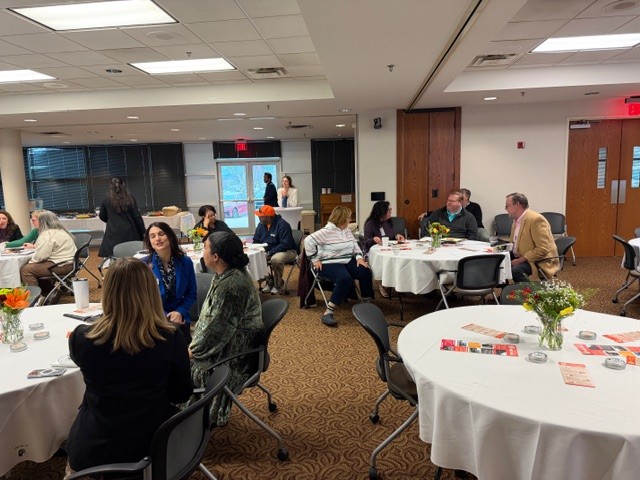
The Central Shenandoah Planning District Commission (CSPDC) hosted a “State of Transit” event to celebrate public transportation and highlight the accomplishments of the BRITE Bus system over the past year. The event brought together regional partners, stakeholders, and community members for an afternoon focused on reflecting on progress, discussing what lies ahead for transit in the region, and premiering BRITE’s “Value of Transit” video.
Attendees heard from voices in the transit community as CSPDC staff outlined recent service improvements, expanded partnerships, and efforts to improve accessibility across the BRITE network. The program emphasized how public transit continues to support access to jobs, services, and daily destinations throughout the region, while also sharing updates on the BRITE system and exploring what lies ahead.
The event concluded with the premiere of BRITE’s new “Value of Transit” video, which showcased the essential role public transportation plays in supporting regional mobility and quality of life. The video highlighted the many ways BRITE connects communities and reinforces the importance of continued investment in transit as a vital regional resource. You can view the video below.
Director of Planning Presents at Rockbridge Area Innovation and Funding Forum
On January 15, the Central Shenandoah Planning District Commission (CSPDC) participated in the Business Innovation & Funding Forum, a collaborative event co-sponsored by the Rockbridge Shenandoah AFCEA Chapter and the Chamber of Commerce Serving Lexington, Buena Vista, and Rockbridge County. The evening forum, held at the Rockbridge Innovation Center, brought together local businesses, academic institutions, and non-profit organizations to explore critical funding opportunities and innovation resources available in our region.
CSPDC Director of Planning Jeremy Crute joined an expert panel alongside Chuck Kirby of the Virginia Innovation Partnership Corporation (VIPC), Lee Harris from the Virginia Mechanical Preservation Society (VMPS), and Ryan Hall of the Shenandoah Community Capital Fund (SCCF). The panel discussion focused on equipping local innovators and entrepreneurs with the knowledge and tools needed to successfully pursue federal and state funding for business development, workforce initiatives, and innovation projects.
The forum addressed key topics including grant opportunities, funding resources for business initiatives, and workforce development programs. Panelists shared practical insights on navigating the application process and positioning projects for competitive success in securing public and private funding.
The strong turnout reflected the growing interest among local businesses and organizations in accessing funding opportunities to fuel growth, innovation, and workforce development in our region.


