112 MacTanly Place
Staunton, VA 24401
phone: 540-885-5174
fax: 540-885-2687
View Our Regional Collaboration Video
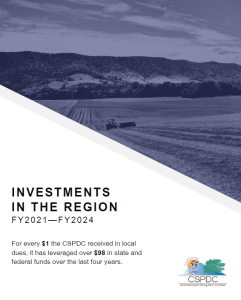
Investments in the Region Report FY24
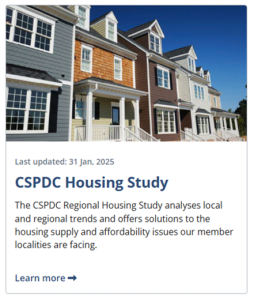
CSPDC Housing Study Report Released
 Welcome to the CSPDC
The Central Shenandoah Planning District Commission (CSPDC) represents and serves the local governments of Augusta, Bath, Highland, Rockbridge, and Rockingham counties and the cities of Buena Vista, Harrisonburg, Lexington, Staunton and Waynesboro as well as the 11 towns within the Central Shenandoah region.
The CSPDC works with its member jurisdictions, communities and agencies to provide high-quality planning, technical assistance, and facilitation of services that address local, regional and state needs in an innovative, timely and cooperative manner. Covering everything from land use planning, transportation, water and waste-water utilities, natural resource management, affordable housing, economic and community development, disaster mitigation and preparedness, agritourism to human services, the CSPDC is an invaluable asset to the quality of life in the Shenandoah Valley. For more information about the CSPDC, click here.
Take Our Regional Flood and Stormwater Survey
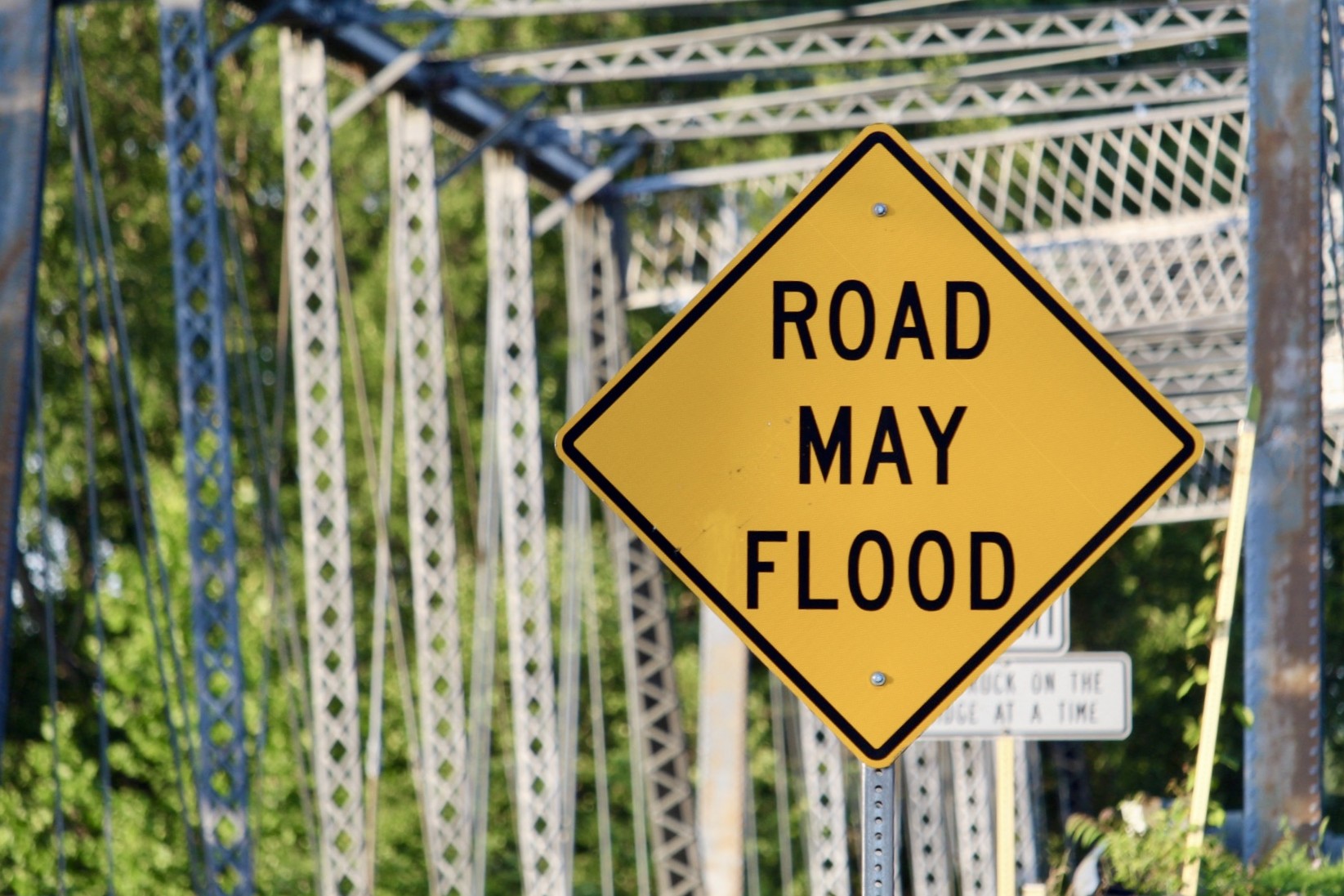
The CSPDC has launched a new public survey inviting residents, business owners, and community members to share their experiences with flooding and stormwater issues in their communities.
Survey responses will direct how and where funding is prioritized to address flooding concerns across the region through the Central Shenandoah Flood and Stormwater Resilience Plan, a regional process to better understand and address flooding at the local level. The Plan will help participating localities identify priority infrastructure projects — from traditional stormwater improvements to green infrastructure solutions — and position them to compete for construction funding through the Virginia Department of Conservation and Recreation’s Community Flood Preparedness Fund (CFPF).
Localities must have an adopted Flood and Stormwater Resilience Plan in place to qualify for CFPF construction funding, and broad public participation a critical input for the process.
What the Survey Covers
The survey asks participants to identify where flooding or drainage problems occur, how frequently they happen, and how they affect neighborhoods, roads, and public spaces. Responses will be combined with technical data and local government input to guide project identification and planning across the region.
The survey is open to all residents and stakeholders in the Central Shenandoah region and takes just a few minutes to complete.
Access the survey: https://connect.cspdc.org/flood-and-stormwater-resilience-plan
Hazard Mitigation Plan Enters Final Review Stage
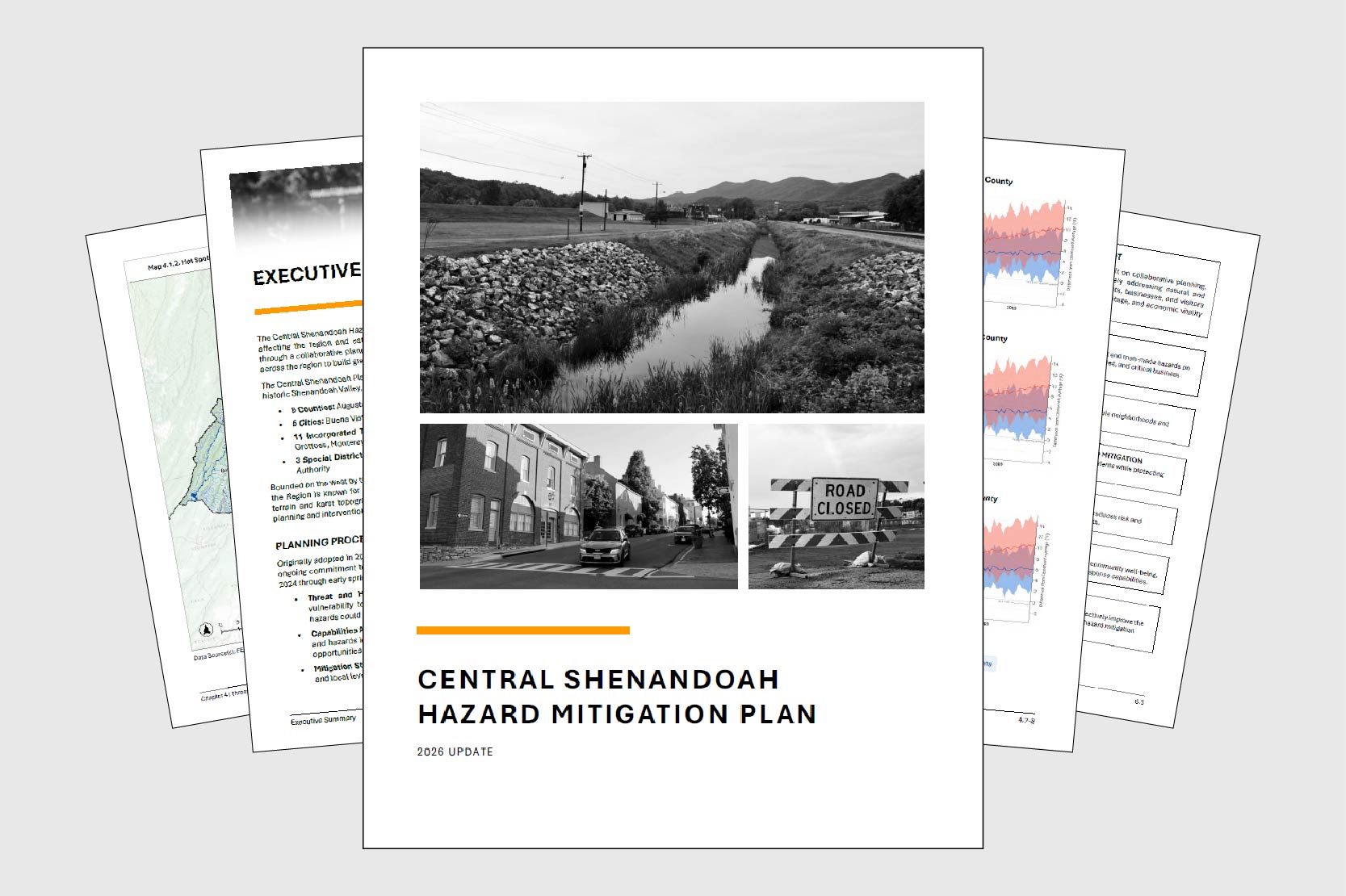
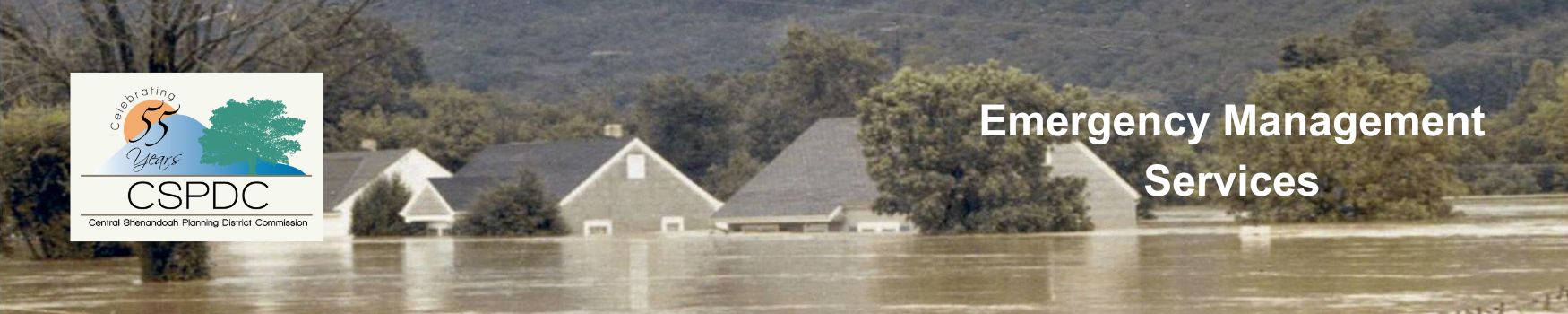
After nearly two years of regional collaboration, the updated Central Shenandoah Hazard Mitigation Plan has entered formal review. In late January, the CSPDC submitted a full draft to the Virginia Department of Emergency Management (VDEM) for review, the first step in a multi-agency approval process expected to take several months.
Once the state review is complete, the plan advances to the Federal Emergency Management Agency (FEMA), which has up to 45 days to evaluate compliance with federal hazard mitigation planning requirements (44 CFR Part 201). If the plan meets all requirements, FEMA will grant conditional approval pending local adoption. That local adoption step is critical: participating jurisdictions must formally adopt the plan to remain eligible for federal and state grant programs aimed at reducing the impact of disasters.
This update marks the third full revision of the plan since its original adoption in 2005. The extensive process engaged 5 cities, 5 counties, 11 towns, 3 special districts, roughly 30 agencies and organizations, and community members. Four steering committee meetings, individual consultations with each participating locality, and public surveys drawing input from more than 450 residents shaped the final product.
The plan identifies flooding, wildfires, and severe winter weather as the region’s highest natural hazard risks. These risks reflect a combination of historic development patterns along rivers, densely forested ridgelines, and the elevation changes that define the region’s terrain. Among human-caused hazards, hazardous materials incidents rank as a leading concern, reflecting the region’s location along the Interstate 81 corridor and its manufacturing base. The plan also addresses a distinctive regional challenge: maintaining reliable emergency communications within the constraints of the National Radio Quiet Zone and the area’s complex mountain geography.
To read the draft plan and share feedback, visit https://connect.cspdc.org/hazard-mitigation-plan
Afton Express Releases 2025 Annual Report
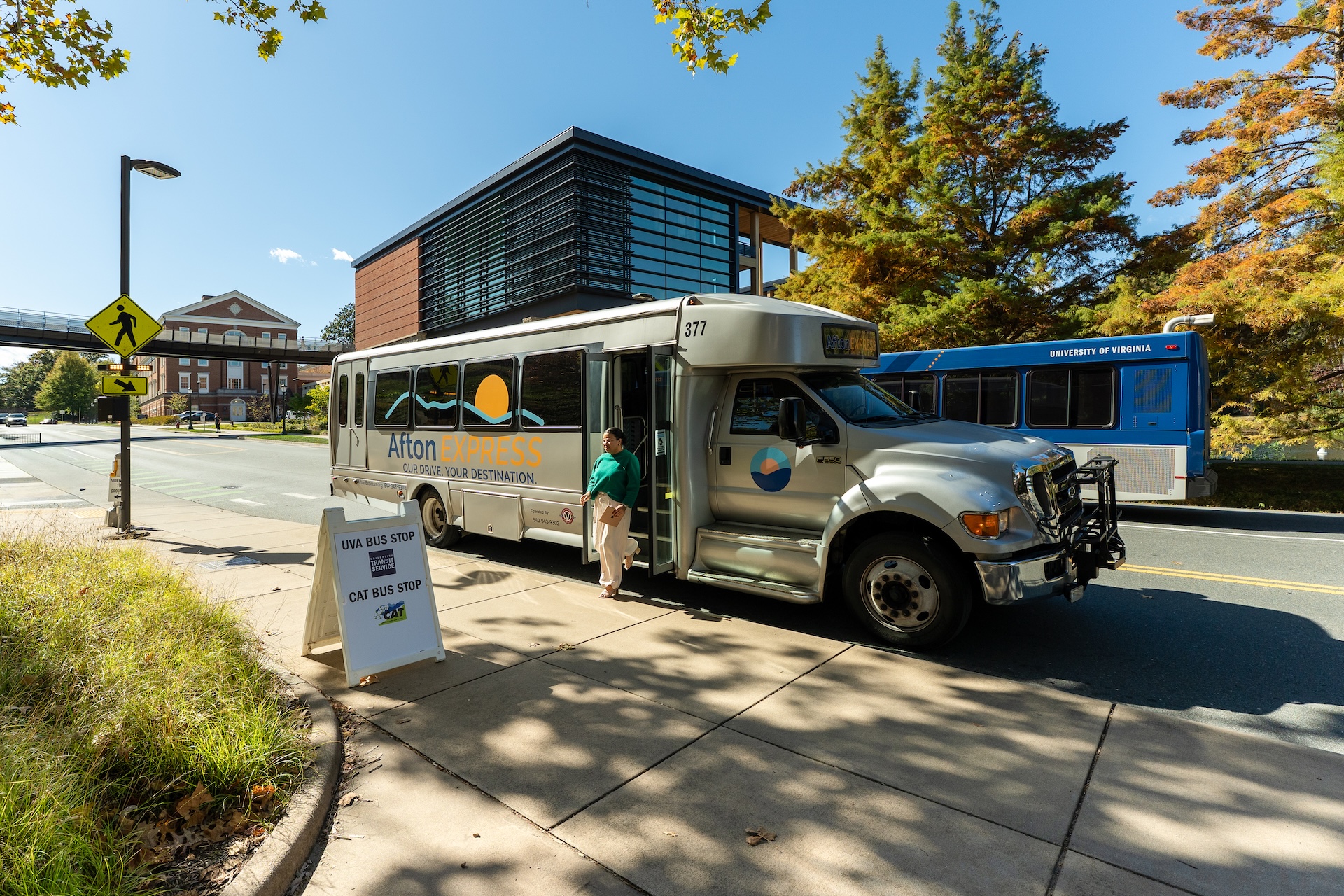
We are pleased to present the 2025 Afton Express Annual Report, which documents the commuter service’s performance, regional impact, and key initiatives from the past year. The report highlights the service’s fourth consecutive year of ridership growth, with 23,725 passenger trips recorded a 24% increase over 2024. This growth reflects Afton Express’ vital role in connecting the Central Shenandoah Valley and the Greater Charlottesville region.
We hope you will review the Annual Report to learn more about milestones like implementing schedule optimization to better align the service with commuter travel patterns, and broader regional outcomes associated with the service, including cost savings for riders, reductions in vehicle miles traveled, and improvements to quality of life for the regional workforce. The 2025 Afton Express Annual Report is available for review here: Afton Express Annual Report


